Skip to content
(800) 730-BEND (2363) Induction, Coiling and Cold Bending
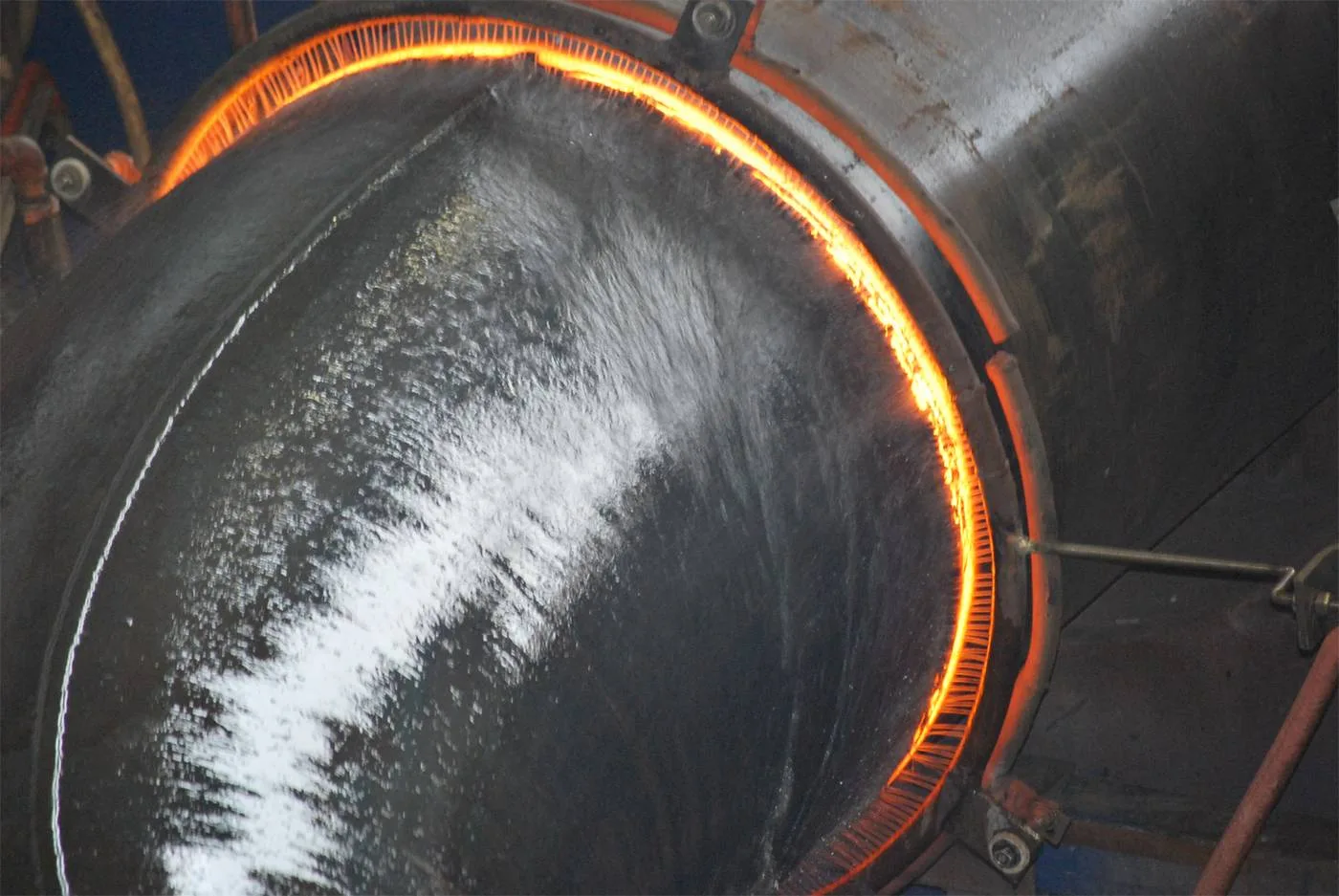
The induction heat band glowing orange around a large-diameter pipe as the bend is formed
What came off the floor

Case Studies

Real work, photographed here, described only as far as we can confirm it.

Why these are short

A case study is only worth reading if it is true. Naming a customer, a plant or a project takes that customer’s agreement, and most of the work that comes through a shop like this one is covered by a confidentiality clause or simply by the fact that nobody has been asked.

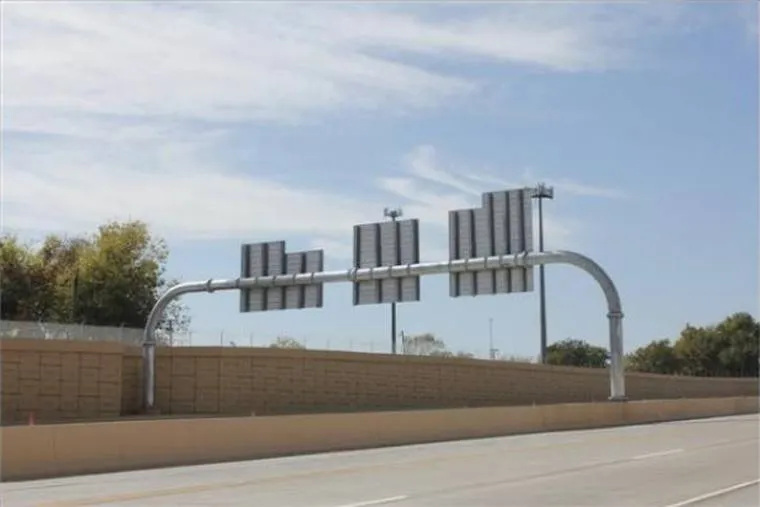
So what follows is what can be confirmed: the work, photographed here, described by what is in the frame. The overhead sign structure keeps its location because it is identifiable from the photograph, which is the US-75 gantry with the Tulsa skyline behind it. The rest are described by process rather than by project until a customer agrees to be named.

If you are a customer and you are happy to be named, tell us. A named job with the detail attached is worth more to everyone than four anonymous ones.

Off the floor

Every photograph is of work made at American Pipe Bending.
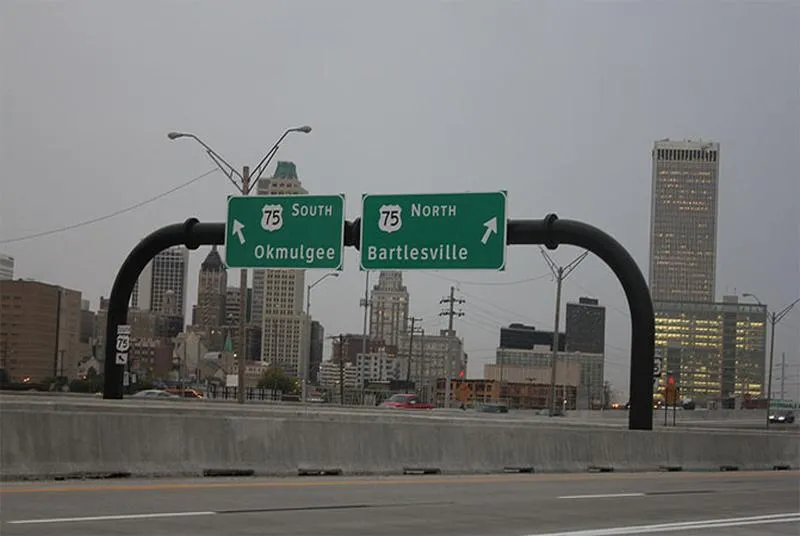
An overhead highway sign structure of bent steel pipe spanning US-75 in Tulsa, with the downtown skyline behind it

Overhead Sign Structure

Large-diameter pipe, bent for a highway sign gantry in Tulsa
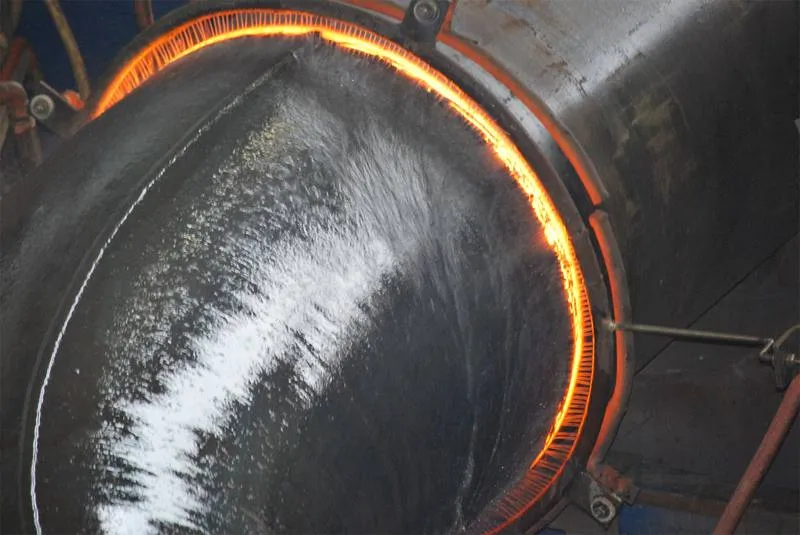
Close-up of the glowing induction heat band travelling around a large-diameter pipe during bending

Induction Heat Band

The heat band travelling around a large-diameter pipe mid-bend
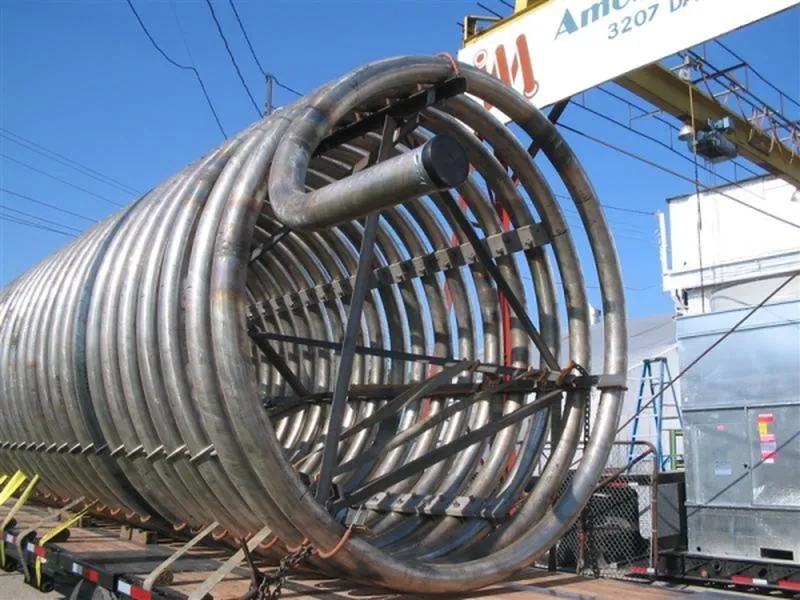
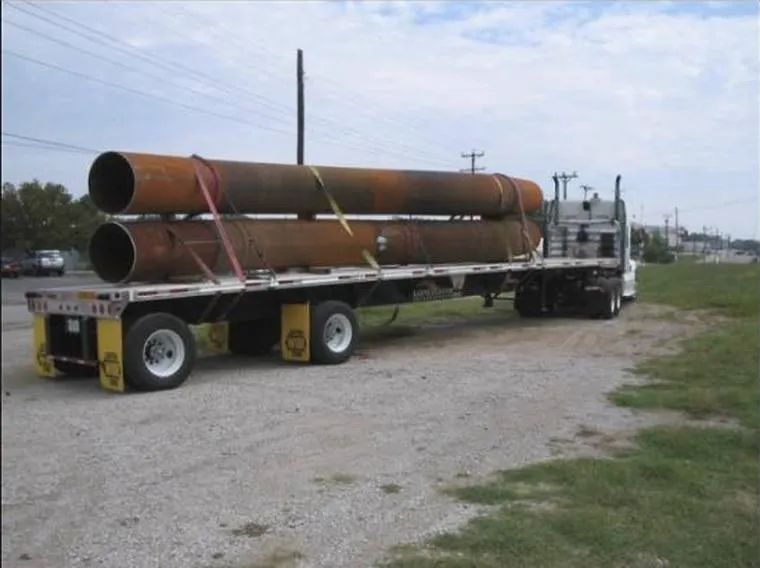
A large helical pipe coil loaded on a trailer beside the company crane in the Dawson Road yard

Helical Coil, Loaded Out

A large helical coil on a trailer in the Dawson Road yard
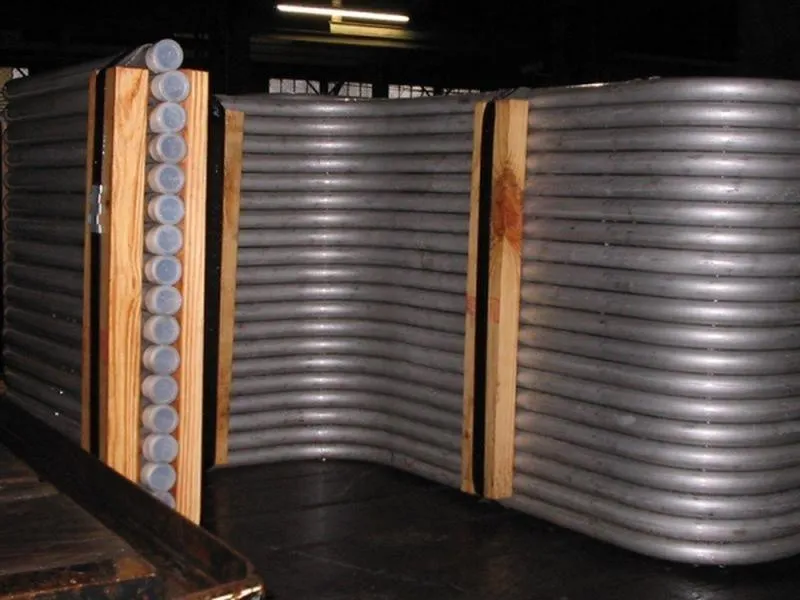
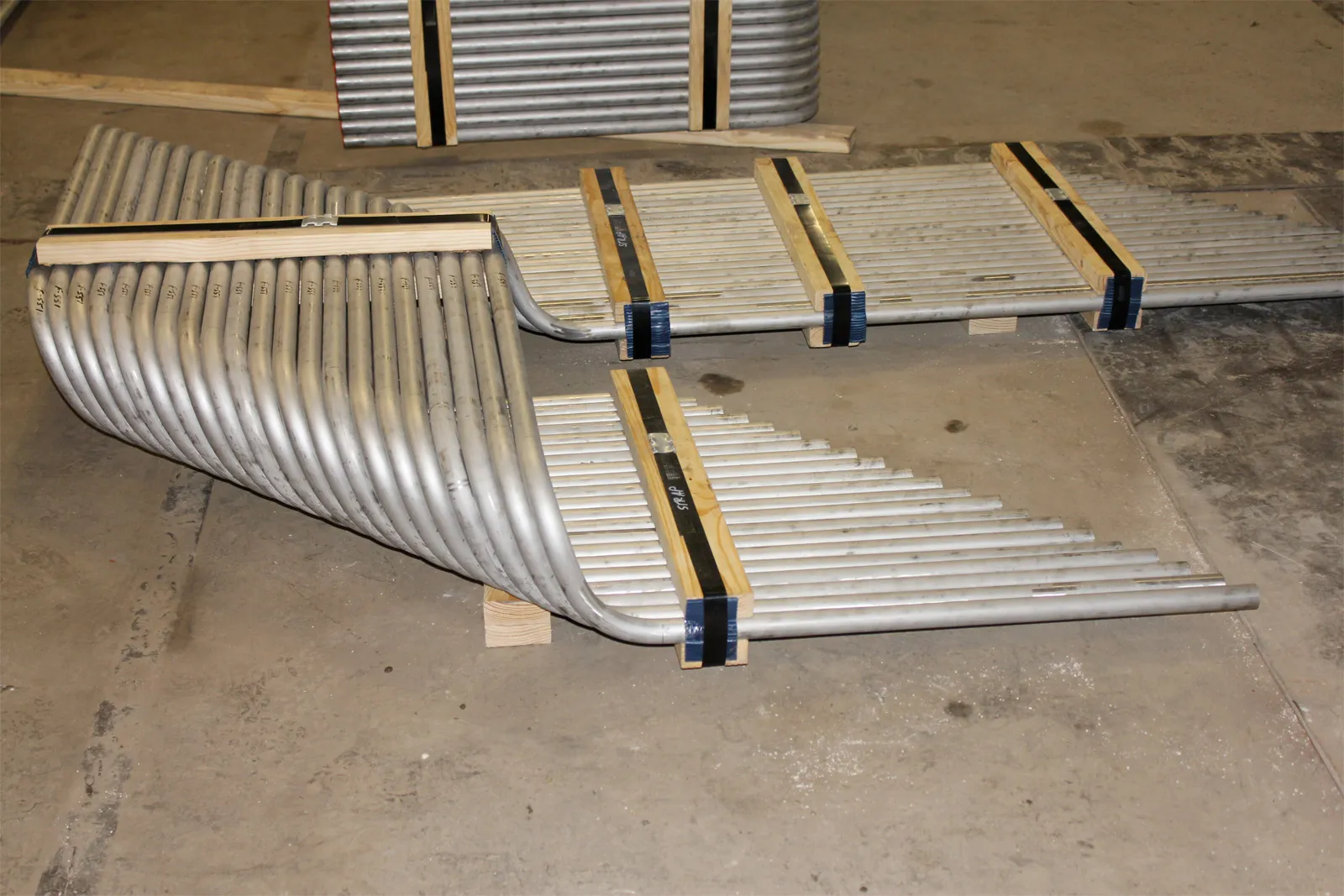
Finned tube panels standing on the shop floor after bending

Finned Tube Panels

Finned tube panels on the shop floor after bending

What a job actually looks like from this side

It starts with a drawing that does not quite close

Most enquiries arrive as an isometric or a marked-up print rather than as a bend schedule. Working back from that to the five numbers each bend needs is routine, and it normally turns up at least one dimension that does not work: a radius too tight for the wall, a tangent too short for the machine to hold, or a plane rotation that cannot be reached in the order drawn. That conversation happens before the quote, not after the order.

Then the process picks itself

Wall thickness, radius, material and quantity decide between induction, cold bending and coiling. It is rarely a close call once the numbers are on the table. What is a close call is the tooling: whether a cold bend needs a mandrel, a wiper shoe, a booster, or all three, and that changes both the price and whether the part is possible.

The paperwork is half the deliverable

On code work the certificates matter as much as the part. Material test reports, non-destructive testing records, heat treatment charts and hardness results all have to arrive together and agree with each other. Keeping the testing and the stress relieving on the same floor as the bend is what makes that possible without adding a week.

Then it has to leave

For anything large, load-out is a planned operation rather than an afterthought. Cranes here run with twenty feet of under-hook clearance and the yard covers more than eleven acres, so a long section can be staged and loaded properly. Where a piece is too large for a highway, the Tulsa Port of Catoosa is fifteen miles away and barge becomes a real option.

The sign structure, in more detail

The one job on this site that can be described with a location is the overhead sign structure spanning US-75 in Tulsa, because it is identifiable from the photograph: the downtown skyline is behind it.

A sign gantry is a good illustration of why highway work goes to a bending shop rather than to a fabricator with a stock of elbows. The structure has to hold a sign over live traffic for decades, in wind, without fatigue cracking. A welded elbow puts a joint exactly where the bending stress is highest. A bent section puts no joint there at all.

It is also large-diameter and heavy-wall with a generous radius, which is squarely induction bending work, and it is galvanized after forming rather than before so the coating is not put through a bend that would crack it. The state standard drawing sets the radius, the wall and the weld detail, and those vary by state.

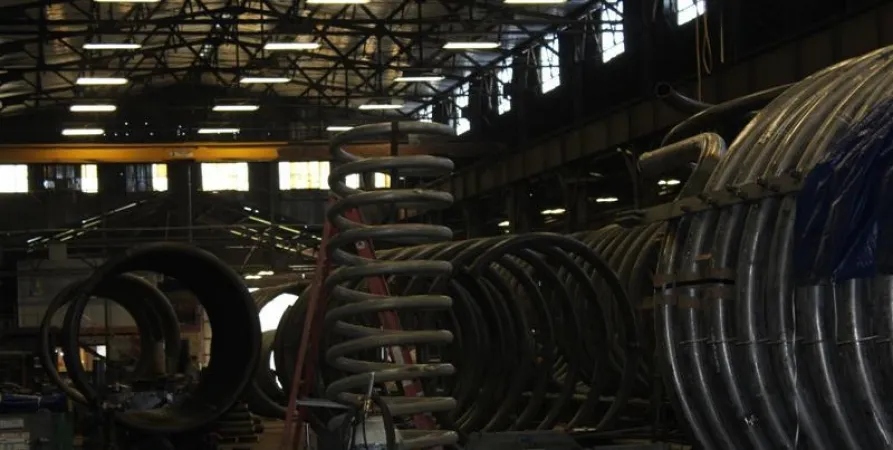
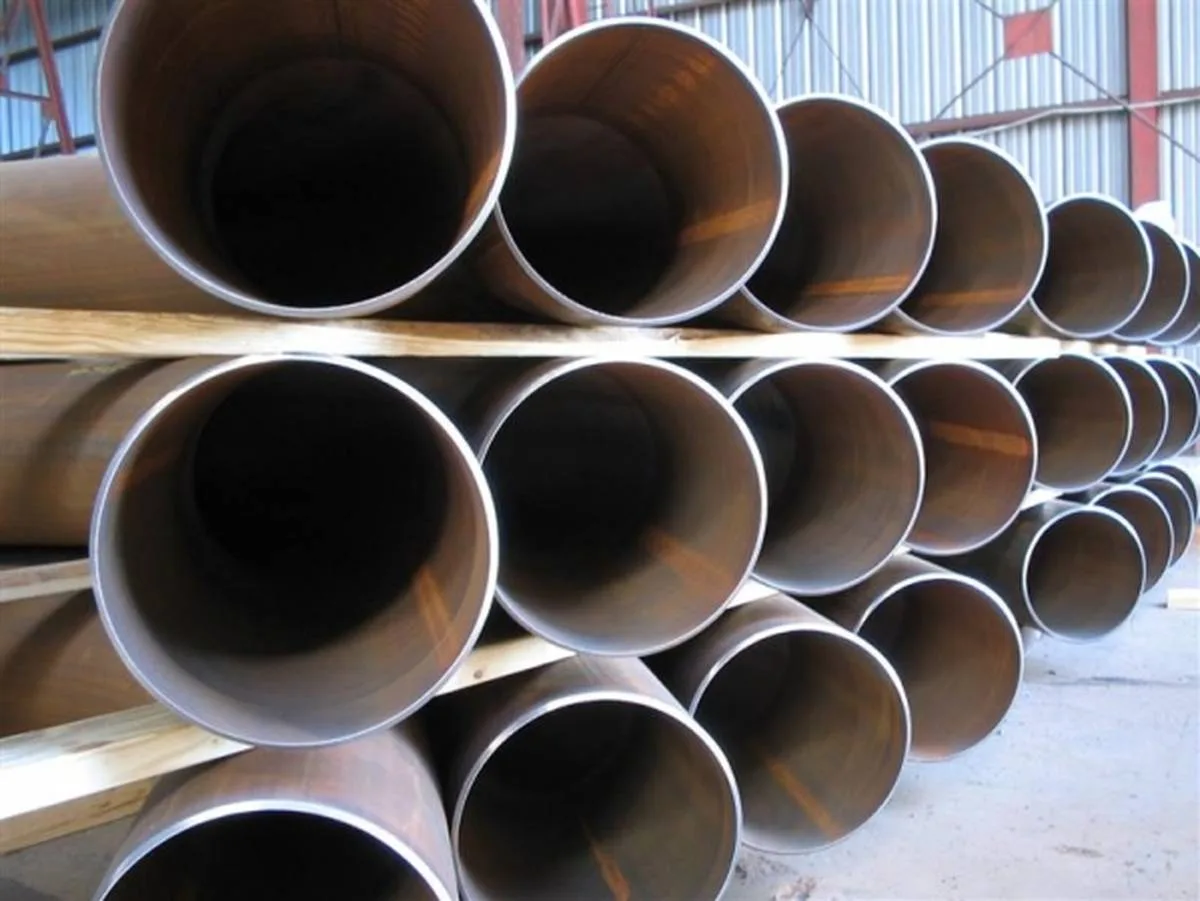
Ends of large-diameter bent pipe stacked under the shop roof

Have a drawing? Send it over.

Send a drawing or a sketch and our team will get back to you with a quote.