Bending Capabilities and Specs
Every size, wall, radius, section and material this shop can handle, in one place.
The numbers, in one place
The overall range runs from 1/2″ O.D. 16 gauge through 42″ outside diameter with wall thickness up to 4″, in single and multiple out-of-plane bends, round or to a specified shape. Coiling runs cold up through 10″ pipe.
That spread across one floor is unusual, and it is the practical reason to send a whole package here rather than split it. Where a job crosses from cold into induction territory, the same shop makes both halves against the same paperwork.
If your size sits outside what is listed below, ask anyway. The list is what comes through most often, not a fence.
Request a quoteRange by process
Heat induction bending
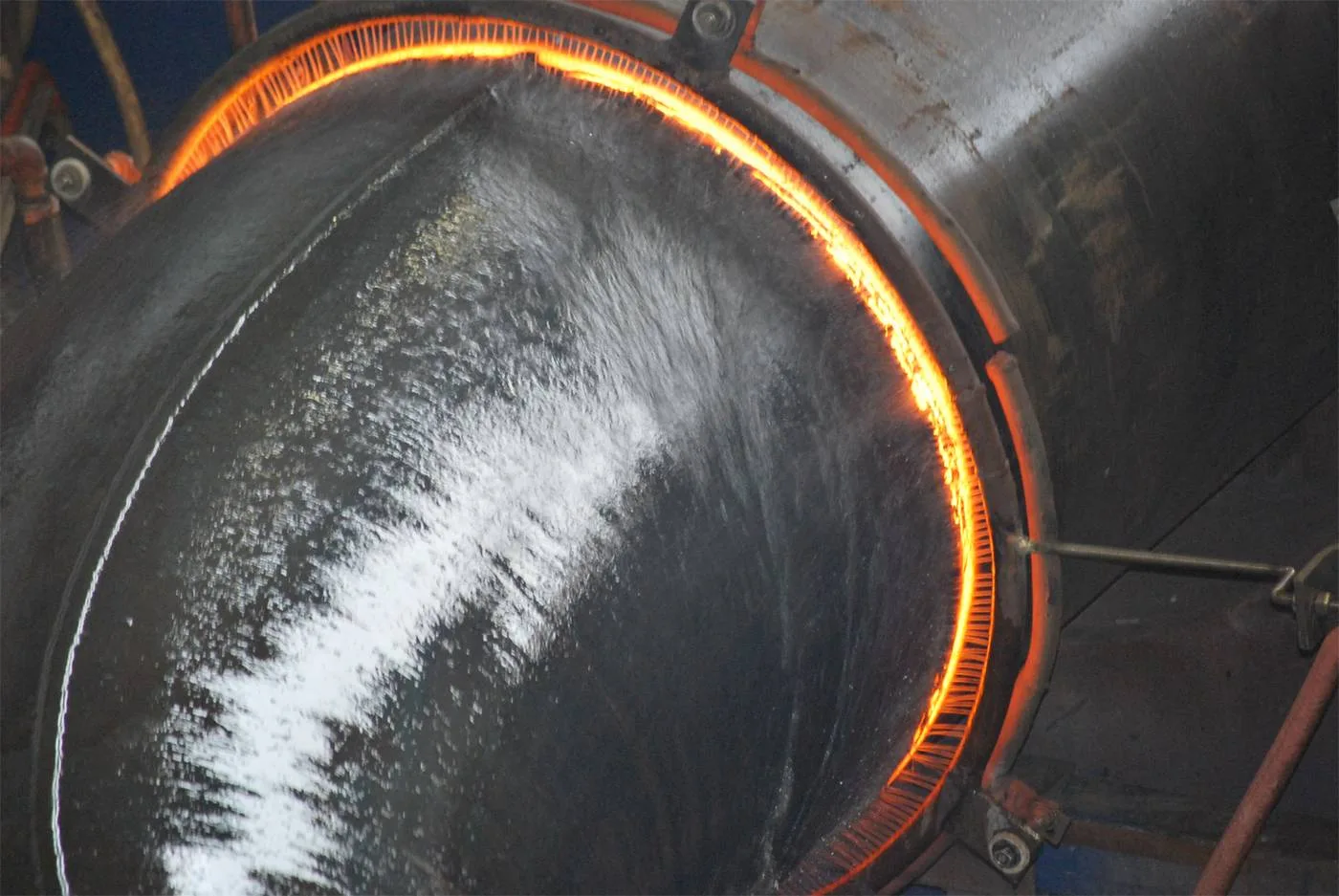
Up through 42″ outside diameter and 4″ wall thickness, computer controlled, in any bend radius, angle or plane. Multiple planes in a single pipe spool. Governed by ASME B16.49 for factory-made induction bends.
Cold bending
Fourteen machines, pneumatic and hydraulic, around machined case-hardened dies. Compound and out-of-plane bends. Ball mandrels, wiper shoes and booster equipment where the wall and radius call for them. From 1/2″ O.D. 16 gauge upward.
Coiling
Cold, up through 10″ pipe. Helical, spiral wound and serpentine configurations, plus others to a drawing. Eight multi-pass helical coils and a six multi-wound coil with six outlets have been built here, in sizes including 7 inch and 9 inch.
What we need to quote
Five numbers describe a bend: outside diameter, wall thickness, centerline radius, bend angle and the tangent length on each end. Add the material, the quantity and the code or specification and the job can be priced.
For a coil, add the coil diameter, the pitch, the number of turns and passes, and where the inlets and outlets have to land. For a shape other than round pipe, say which axis is being bent about, because the strong axis and the weak axis of a channel or a wide flange behave completely differently.
Documentation requirements belong in the enquiry too, not in a later email. Material test reports, non-destructive testing and heat treatment all cost money and time, and retrofitting them onto a finished bend is slow and sometimes impossible.
Materials we bend
If yours is not listed, ask. This is what comes through most often.
What to send, and what it costs to leave out
Five numbers describe a bend: outside diameter, wall thickness, centerline radius, bend angle and the tangent length on each end. Add the material, the quantity and the code and the job can be priced. The quote form takes a drawing up to 25 MB in PDF, DWG, DXF, JPG or PNG, and a photograph of a marked-up print is fine.
The things most often left out are the ones that change the price most. Documentation is the first: material test reports, non-destructive testing and heat treatment all have to be priced and scheduled from the start, and retrofitting a package onto a finished bend is slow and sometimes impossible. The delivery date is the second, because it decides whether the job is possible rather than what it costs.
The third is the acceptance criteria. Wall thinning on the outside of the arc and ovality through it are the two numbers a reviewer checks first. Tell us the limits and we will confirm the tightest radius that holds them before anything is cut. Finding the boundary at quote stage costs nothing; finding it at first article costs a length of pipe and a week.
Where a drawing calls out a bend that cannot be made as dimensioned, you will hear about it at quote stage rather than at delivery. That happens more often than it should, usually because an isometric was drawn without a bend schedule and the radius was never checked against the wall. Working back from an isometric to the five numbers each bend needs is routine here, and it normally catches at least one dimension that does not close.
Testing we can provide
Per your bending specification, not ours. Tell us the code and the acceptance criteria and we will say what runs here and what is subcontracted.
Other ways we bend
Wall thickness, radius, material and schedule decide the method. If you are not sure which fits, send the drawing and we will tell you.
Heat Induction Bending
Cojafex induction bending up through 42″ O.D. and 4″ wall, in any radius, angle or plane.
Read moreCoiling
Helical, spiral wound and serpentine coils, cold, up through 10″ pipe.
Read moreCold Bending
Rotary draw bending on fourteen machines, with mandrels and wiper shoes where the radius needs them.
Read moreMandrel Bending
Ball mandrels and wiper shoes for tight radii and thin walls that would otherwise collapse.
Read moreLarge Diameter Pipe Bending
The work most shops turn away: up to 42 inch outside diameter and 4 inch wall.
Read moreStainless and Alloy Bending
Stainless, duplex, Hastelloy, titanium and nickel alloys, bent without wrecking the metallurgy.
Read more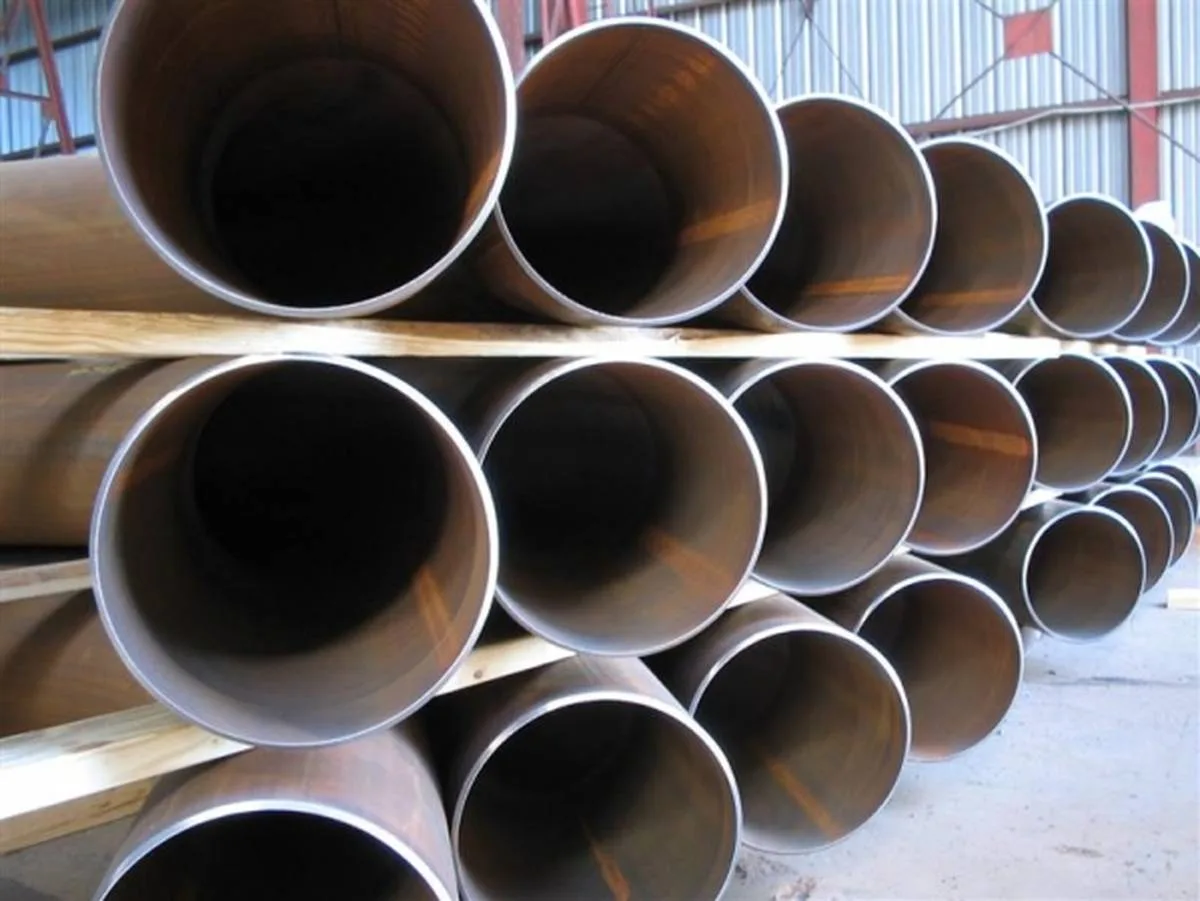
Have a drawing? Send it over.
Send a drawing or a sketch and our team will get back to you with a quote.