
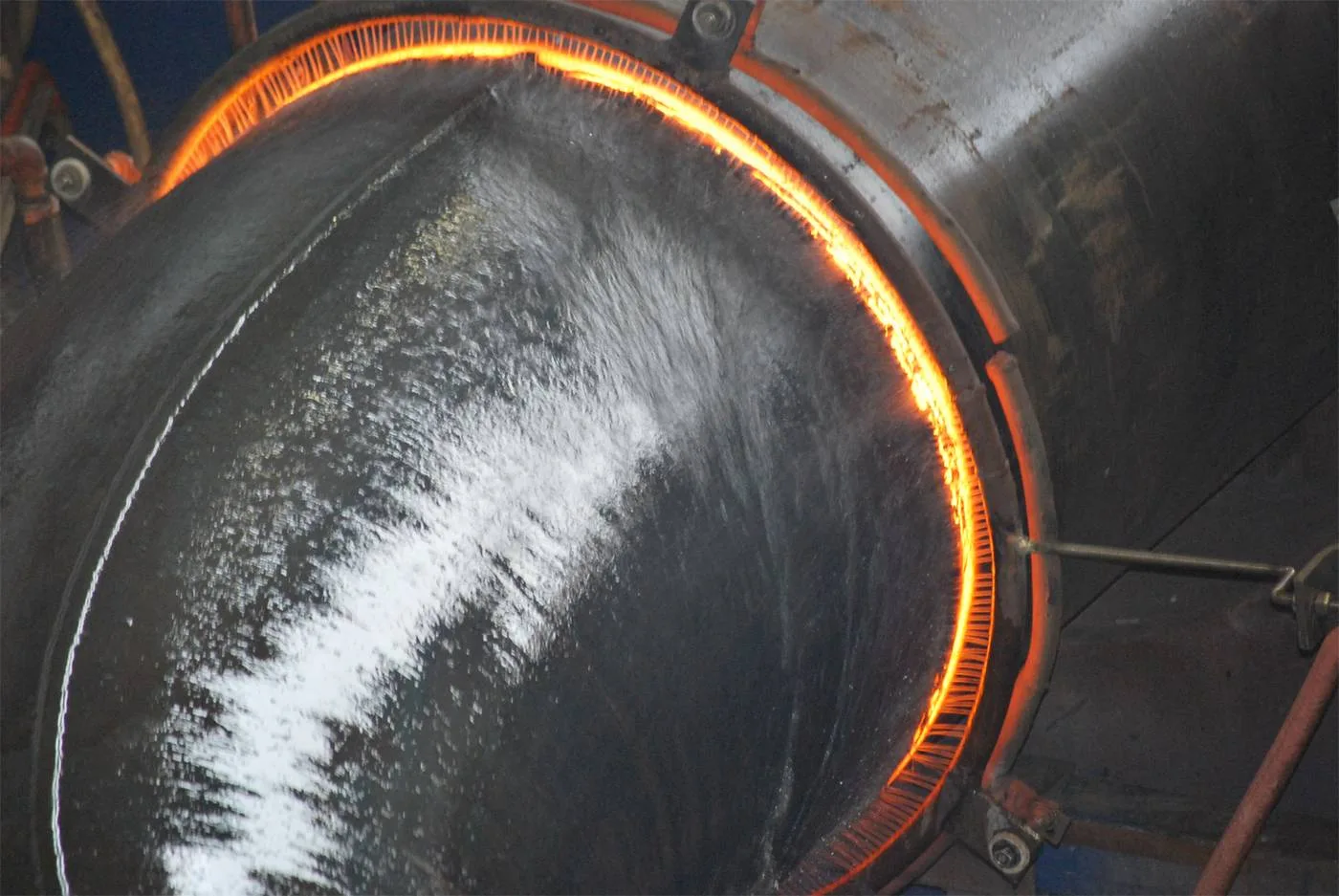
Industries
Pipe Bending for Pneumatic Conveying
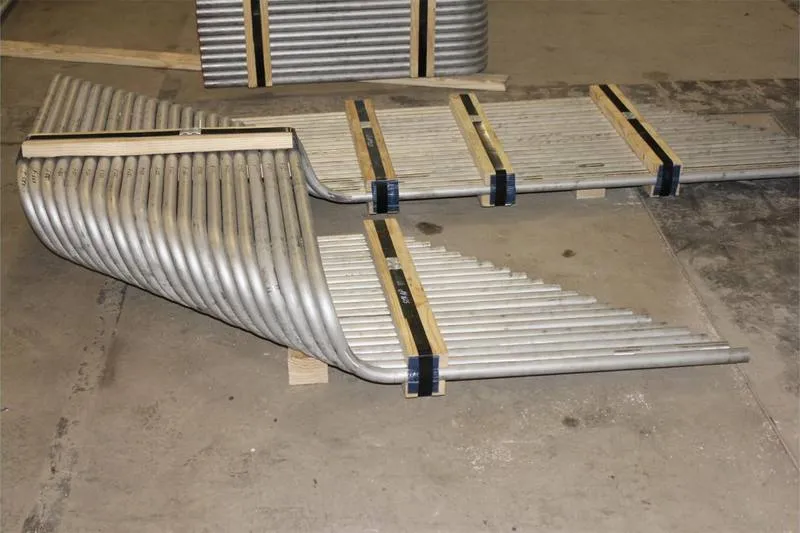
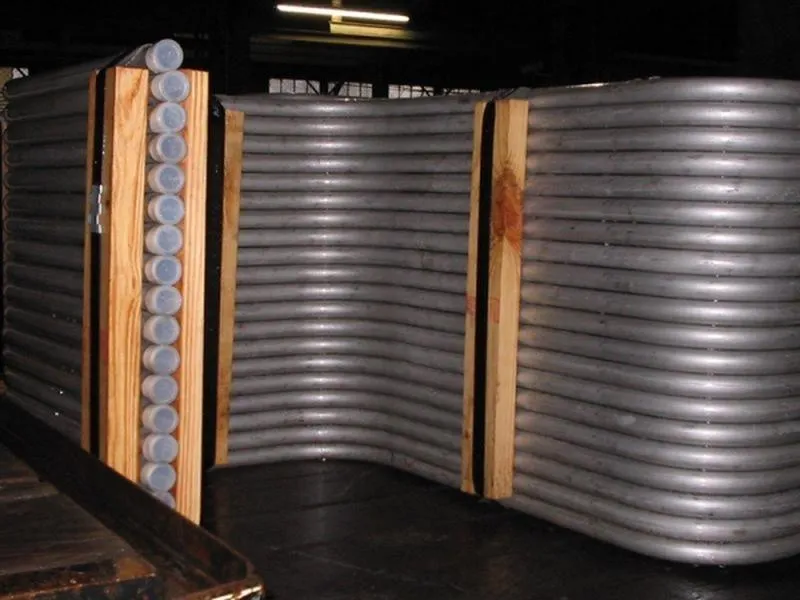
Long-radius sweeps for conveying lines, where a tight bend is where the wall wears through.
What pneumatic conveying work brings to a bending shop
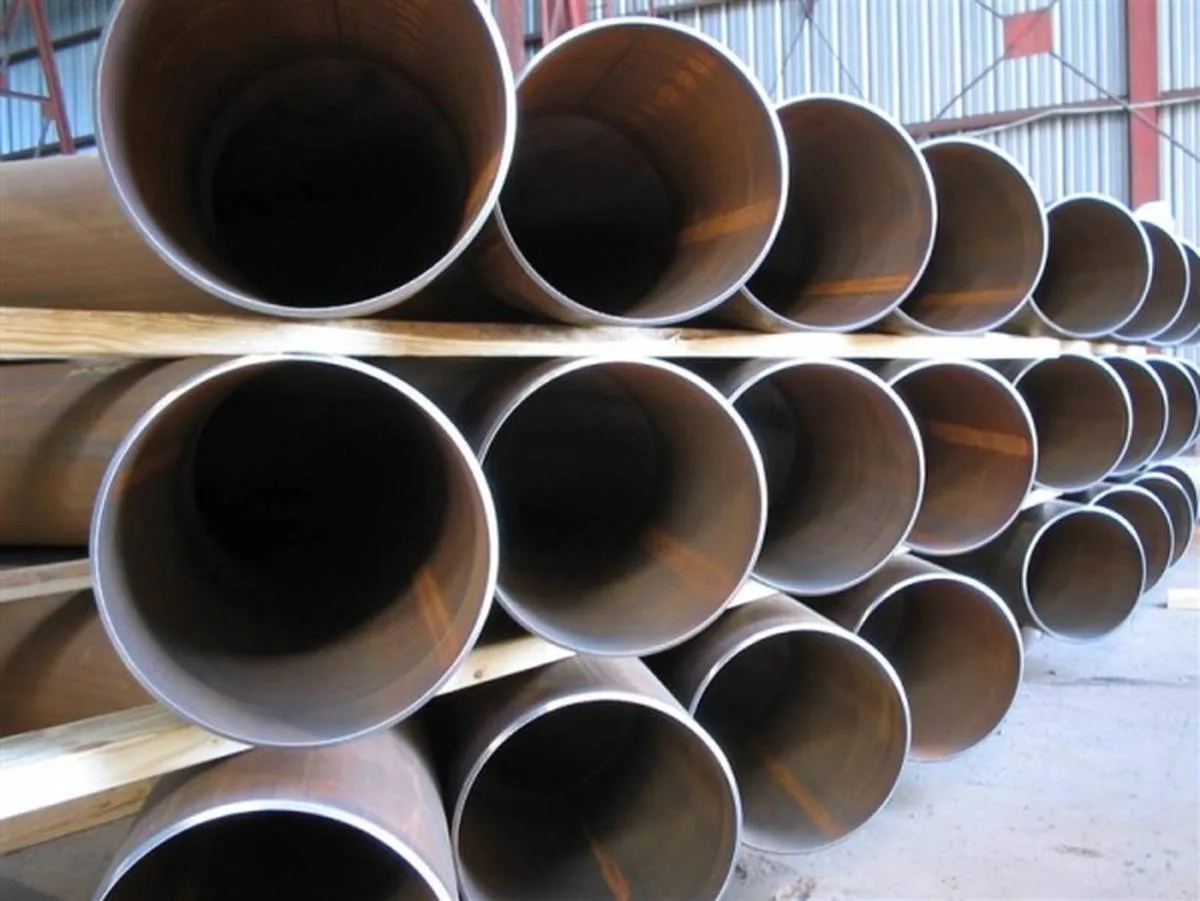
Conveying line sweeps, elbows and diverter piping for dilute and dense phase systems moving grain, plastic pellets, cement, fly ash, sand and powders.
In a conveying line the bend is the wear point. Material travelling at speed hits the outside of every turn, and the tighter the radius the harder it hits. A long-radius sweep spreads that impact over a much greater length of wall, which is the whole reason conveying systems specify sweeps rather than elbows. Bending gives a true long radius; an elbow does not.
Codes and standards: Usually a customer or OEM specification rather than a pressure code, because the line carries solids in air rather than pressurised fluid. Send your project specification with the inquiry and we will confirm in writing what we certify against before anything is cut.
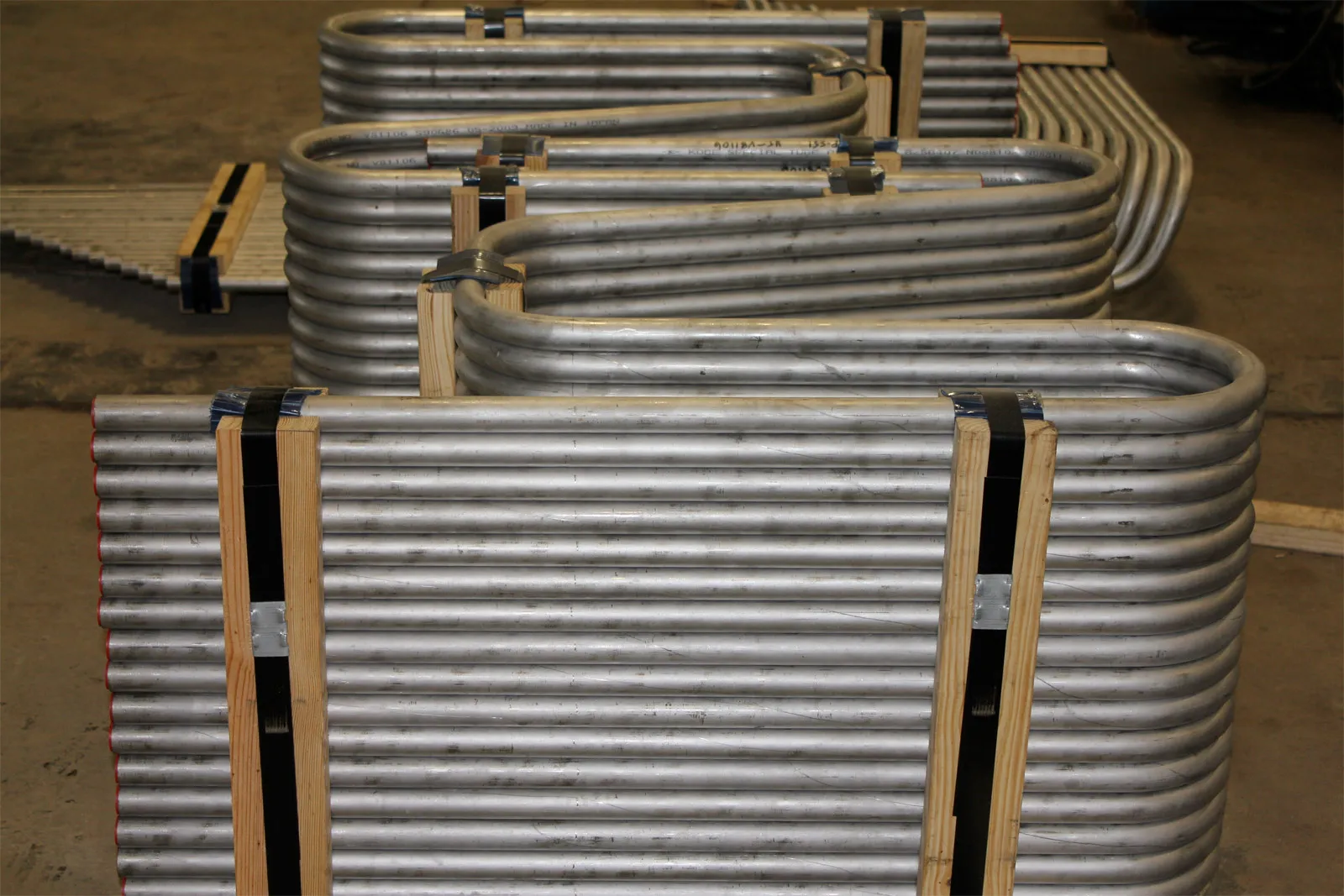
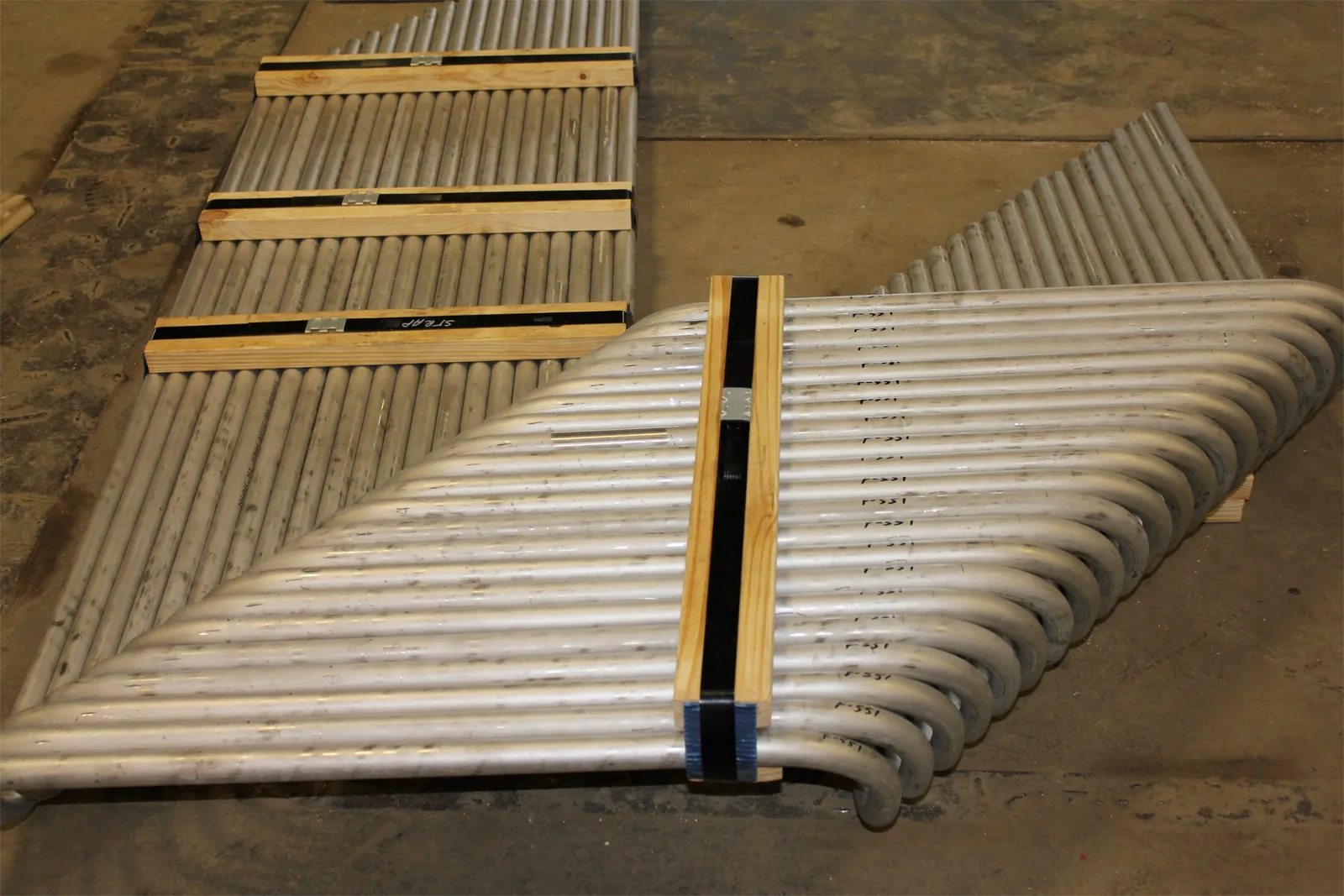
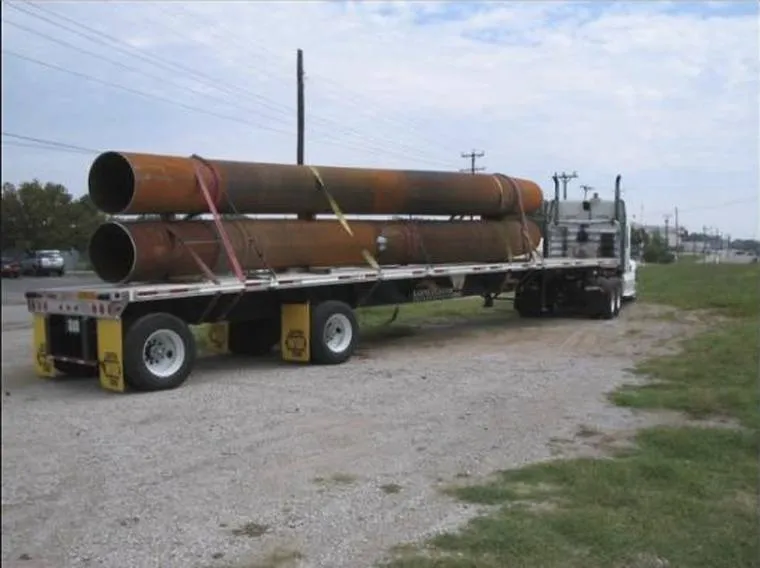
Work off the floor
Radius, wall and material together
The three variables trade against each other. A longer radius reduces wear but costs space. A heavier wall buys life but adds weight and cost. A harder material resists abrasion but may be harder to bend at the radius you want.
Send all three with the inquiry along with what is being conveyed. An abrasive service changes the answer completely from a plastic pellet line at the same size.
What to send with a pneumatic conveying inquiry
The five numbers
Five numbers describe a bend: outside diameter, wall thickness, centerline radius, bend angle and the tangent length on each end. Add the material and the quantity and the job can be priced. A drawing, a sketch or a photograph of a marked-up print all work, and the quote form takes an attachment up to 25 MB.
What the part does in service
For a conveying line, send what is being moved along with the size and radius. An abrasive product changes the wall thickness conversation completely, and it changes which radius is worth paying for. If you are replacing a worn sweep, a photograph with the dimensions marked is usually enough to work from.
The paperwork, up front
Put the documentation requirements in the inquiry rather than in a later email. Material test reports, non-destructive testing and heat treatment all cost money and time. Retrofitting a documentation package onto a bend that has already been made is slow, and sometimes it is impossible.
Materials we bend
If the grade you need is not listed, ask. This is what comes through most often, not a limit.
Stainless Steel
Carbon Steel
Copper
Brass
Aluminum
Chrome
Titanium
Hastelloy®
Alloy 6XN
2205 Duplex
Nickel-Bearing Alloys
What we can bend for you
42″
Max outside diameter
4″
Max wall thickness
10″
Max cold coiled pipe
U & S Stamp
ASME code shop
How we would make it
Wall thickness, radius, material and schedule decide the process. Send the drawing and we will tell you which one fits.
Heat Induction Bending
Large diameter, heavy wall and specialty bending.
Read moreCold Bending
Rotary draw bending with extensive tooling and mandrel capabilities.
Read moreCoiling
Helical, spiral-wound, serpentine and custom coil configurations.
Read moreLarge Diameter Bending
Pipe bending capabilities through 42" O.D.
Read moreStainless & Alloy Bending
Experience across stainless, duplex, nickel alloys, titanium and specialty materials.
Read moreCustom Pipe Fabrication
Bending, welding, cutting, end preparation, testing and assembly.
Read moreQuestions we get from pneumatic conveying buyers
Can you make long-radius sweeps for a conveying line?
Yes. Long-radius bends are standard work here, cold on the smaller sizes and by induction where the diameter or wall calls for it. Tell us the centerline radius you want as a multiple of the diameter.
What material is best for an abrasive conveying line?
That is a wear question rather than a bending question and it depends on what you are moving. Tell us the material you have specified and the radius, and we will tell you whether it bends at that radius and what it takes.
Can you match an existing sweep?
Usually. Send a drawing, a sketch or a photograph of the old part with the dimensions marked, and we will work back from it.
Have a drawing? Send it over.
Send a drawing or a sketch and our team will get back to you with a quote.